A Chengdu Food Journey Beyond Hotpot: Four Days of Flavour, Craft and Conversation
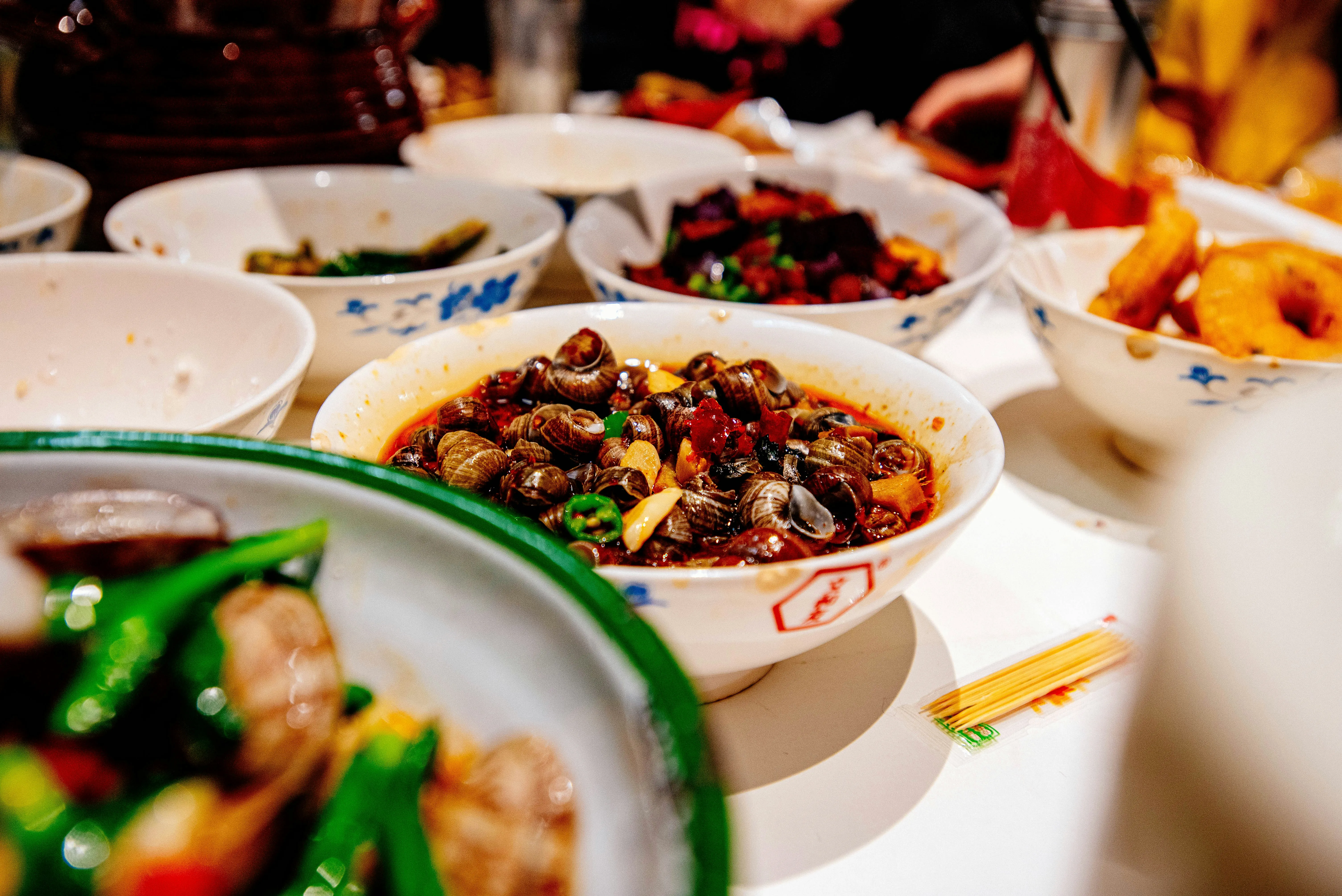
Begin with range
Hotpot is an excellent reason to gather around a table. It is a limited framework for understanding an entire cuisine. A considered Chengdu food journey should introduce contrast: a clear broth after something assertive, a carefully prepared vegetable dish, a cool texture, a sour note, the lingering sensation of Sichuan pepper.
Chengdu is a UNESCO Creative City of Gastronomy, recognised for its connection to Sichuan cooking and culinary activity. Read the city's UNESCO profile. The designation supplies context; the meal itself still needs good selection and explanation.
Allow four days to explore different forms of eating without making every waking hour a tasting appointment. Appetite is finite. The strongest itinerary gives you enough space between meals to remain interested in the next one.
Learn a vocabulary that helps you order
Ask a guide to explain a small number of flavour ideas through actual dishes. Mala combines chilli heat with the distinctive tingling or numbing quality associated with Sichuan pepper. Other preparations may foreground fragrance, savouriness, sweetness or acidity. A dish's name may describe its flavour structure rather than list its ingredients; verify the actual recipe if that distinction matters to your diet.
Build the first meal around contrast and agree the spice level before ordering. “Less spicy” can mean different things to different kitchens. A traveller who dislikes intense heat can still enjoy a culinary journey if the restaurant selection is thoughtful.
Choose dishes according to what a particular kitchen does well. There is little value in ordering a famous name everywhere simply to compare versions without context. A guide should be able to explain the restaurant choice, price range and any commercial relationship that could influence the recommendation.
Connect the meal to its ingredients
A market visit works best when it has a purpose. Choose ingredients you will later encounter at lunch or in a class. Ask about how something is used, how it changes with season and what a cook looks for when buying it. Respect vendors' time and ask before taking close photographs.
Fermented ingredients such as doubanjiang can lead to a useful discussion of depth and seasoning. A visit to a producer, where available, requires permission and confirmed visitor arrangements; it should not be casually promised as access to a working factory. A tasting or explanation in a suitable kitchen can be just as informative.
Do not treat a busy market as a guarantee of safe ready-to-eat food. Select vendors and dishes carefully, and follow individual health advice where relevant. The purpose is understanding, not testing how much uncertainty you can tolerate.
Make a cooking session specific
Ask to learn two or three preparations that suit your interests. A manageable menu creates time to understand heat control, ingredient order and seasoning. Confirm whether you will actually cook, watch a demonstration or share tasks with a group.
For allergies, provide a written explanation in Chinese as well as discussing the need with the host. Name the ingredient and explain cross-contact concerns. Sauces, stocks, oils and prepared seasonings can contain ingredients that are not obvious from the finished dish. A kitchen that cannot give a reliable answer should not be assumed safe because the guide is reassuring.
Vegetarian and vegan travellers should clarify their definitions. A vegetable dish may contain meat stock or other animal ingredients. Decide in advance how much flexibility you have; strict requirements can affect venue choice.
Give tea and hotpot their own place
A teahouse introduces another rhythm. Make time for the social setting as well as the drink, without presuming permission to photograph everyone nearby. A quiet interval between meals is part of the food journey.
Reserve hotpot for a day when you can enjoy a long, sociable dinner. Discuss broth choices, ordering and cooking practices with your host. Separate broth sections do not necessarily eliminate cross-contact. Travellers with serious allergies need a more specific safety assessment.
Balance that evening with a lighter meal earlier in the day. More courses are not automatically more generous hospitality; sometimes the most useful luxury is permission to stop eating.
Four days, four points of view
Day 1: An introductory meal with contrasting dishes and agreed spice levels.
Day 2: A purposeful market visit and cooking session; a light evening.
Day 3: A different restaurant style, an afternoon teahouse and hotpot if desired.
Day 4: Return to a favourite flavour or explore one remaining interest before departure.
Share your dietary needs, preferred level of explanation and appetite for adventurous eating with Seechuan before planning. The aim is to leave Chengdu able to understand and order more confidently, with a memory of the people and decisions behind the food.